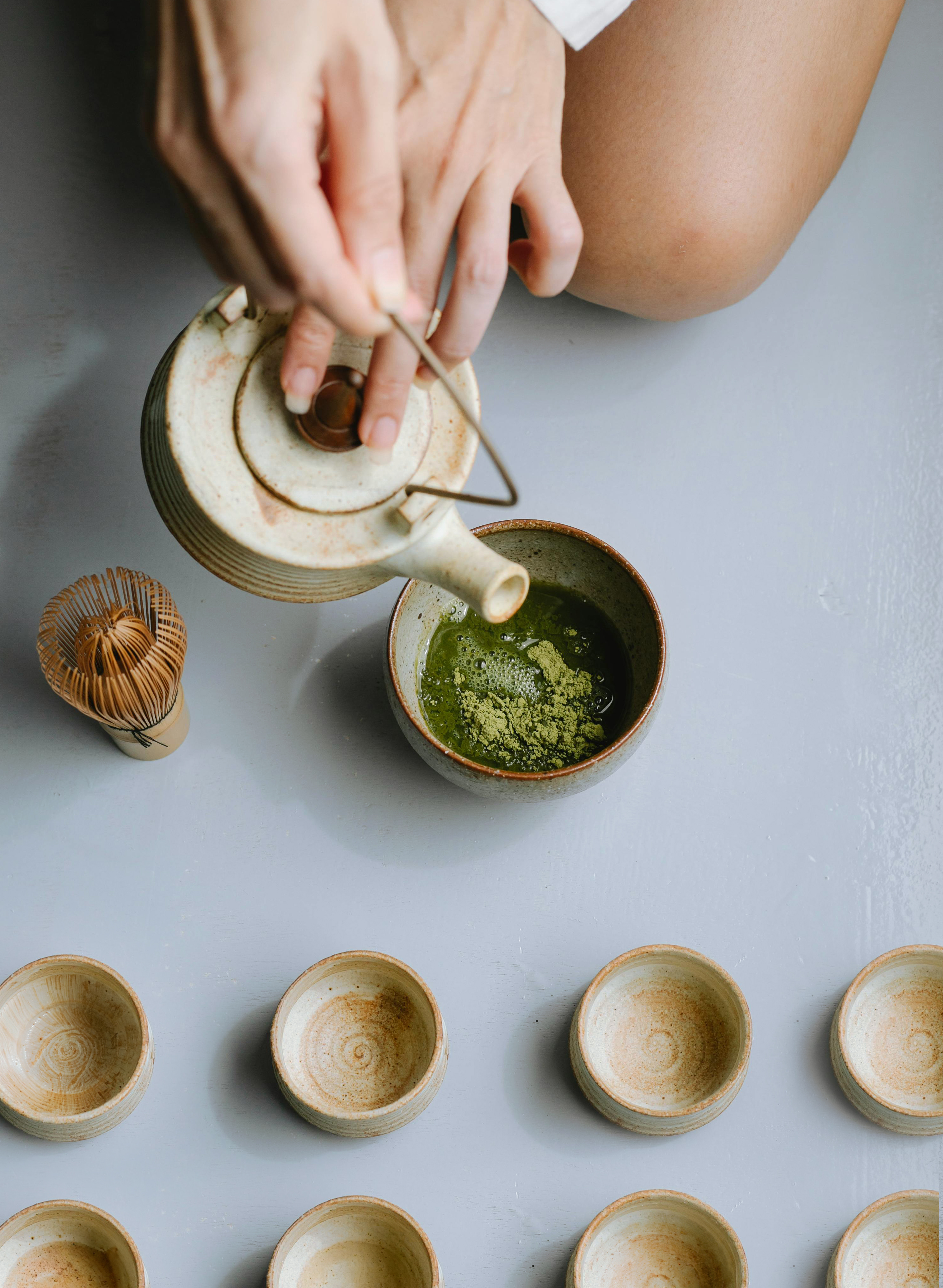
Green Tea and Mucuna pruriens – A Natural Synergy for Support
Nature often provides powerful partnerships — and one of the most exciting in Parkinson’s wellness is the combination of green tea and Mucuna pruriens (the natural source of L-DOPA found in MacuDopa). Together, they form a simple yet potent duo for supporting dopamine balance, brain health, and everyday vitality.
How Green Tea Boosts Natural L-DOPA
Green tea is rich in antioxidants called polyphenols, particularly EGCG (epigallocatechin gallate), known for its neuroprotective effects. Research suggests EGCG can help protect dopamine-producing neurons and may even enhance the bioavailability and stability of natural L-DOPA from Mucuna pruriens.
In other words — while Mucuna pruriens provides the raw material (L-DOPA), green tea helps your body use it more effectively.
A Double Dose of Antioxidant Power
Both green tea and Mucuna pruriens are rich in compounds that combat oxidative stress — a key driver in neurodegenerative change. Their combined antioxidant activity helps reduce cellular damage, support energy metabolism, and promote a calmer mood and clearer focus.
Simple Ways to Enjoy the Duo
Sip a cup of high-quality green tea 30–45 minutes before or after taking your MacuDopa.
Try matcha for an extra polyphenol boost.
Keep it part of your daily rhythm — small, consistent habits make the biggest difference.
The Takeaway
This natural pairing blends ancient wisdom with modern neuro-nutritional science. By combining Mucuna pruriens and green tea, you can naturally support dopamine, mood, and cellular protection — helping you stay energised, balanced, and connected.
In August 1995, at 52 years of age, I was diagnosed with Stage 4 Parkinson’s disease on the Hoehn and Yahr scale, along with early-stage Multiple System Atrophy (MSA).
The diagnosis followed months of uncertainty, consultations and conflicting opinions. Some doctors were kind and attentive. Others were dismissive and detached. One professor did not examine me at all; he read my referral letter, assumed I was depressed, and prescribed a medication with adverse effects mimicking my symptoms. It took multiple visits simply to receive a clear diagnosis.
The experience left me shaken — but it also pushed me to ask deeper questions.
If I was facing progressive neurological decline, I wanted to understand why.
Over several weeks of reflection and study, I began to piece together a pattern. My life had been marked by prolonged stress — beginning at conception and continuing into adulthood. I had experienced significant trauma, personal loss, financial hardship, physical assaults resulting in head injuries, and years of high-pressure work. I had also smoked from the age of nine, relied on caffeine and alcohol, and eaten what I now recognise as a nutrient-poor Western diet.
Food had been to fill me — not nourishment.
There were environmental exposures too. Work in a copper mine and in film processing had likely exposed me to toxic chemicals. At the time, little was published about neurotoxins and Parkinson’s disease, but I suspected these factors had contributed. I had also been exposed to cleaning chemicals and herbicides.
Faced with my diagnosis, I believed I had two choices. Accept increasing disability and rely solely on medication, or explore whether addressing the potential root causes could improve my life. I chose to try.
There was no roadmap. No structured non-medical programme. I was divorced, financially struggling and renting. I still had to work long shifts managing busy operating theatres. But I stopped alcohol and caffeine. I had already quit smoking. I began changing what I could.
The next two years became a journey of disciplined experimentation and self-responsibility.
I sought support from practitioners who were willing to work alongside me: a homeopath, craniosacral therapist, psychologist, herbalist and flower essence counsellor. I added Bowen therapy and later Aqua Hydration Formulas. But the greater work was internal.
I changed my mindset from victimhood to responsibility. I meditated daily. I moved my body even when every fibre of me wanted to lie still. I cleaned up my diet as much as finances allowed. I distanced myself from relationships that drained me and restructured family dynamics to protect my wellbeing.
I kept a meticulous journal: symptoms, treatments, emotions, insights. That journal became my compass. Progress was slow — often glacial — but measurable.
In 1996, despite fatigue and doubt, I resumed part-time study toward my Advanced Diploma. I was determined to complete it, even if I never practised.
Gradually, the improvements accumulated. Strength increased. Symptoms stabilised. Function returned. I was too cautious to call it recovery — until a close friend said something I had been afraid to think: “You no longer have Parkinson’s disease.”
It was the second half of 1998.
Soon after, I completed my studies, wrote a research paper on Parkinson’s, and qualified as a naturopath. The years since have been dedicated to helping others explore what is possible when we address not only symptoms, but aetiological pathways — stress, nutrition, toxic load, trauma, infection, resilience and belief.
My story is not about rejecting medicine. It is about changing the narrative to include the possibility of wellness, and reducing reliance on “cure”. It’s about recognising that the body is dynamic, responsive and deeply influenced by how we live, who we listen to and what we believe.
There are no guarantees. But there is always capacity for change. If we do nothing, we WILL get worse. If we make changes, we CAN get better.
John C Coleman NDLancefield, AustraliaFebruary 2026
Nitric oxide (NO) may be one of the most important molecules for people with Parkinson’s. As Dr Nathan Bryan explains, NO controls blood flow, oxygen delivery, mitochondrial energy, inflammation and even gut–brain health — all key systems affected in PD.
Oral Hygiene: The Overlooked Factor in Parkinson’s Disease
When we think about oral hygiene, most of us focus on the health of our teeth and gums. But neglecting your oral health may have far-reaching effects—potentially influencing brain health and the progression of neurological conditions such as Parkinson’s disease (PD).
Recent research has revealed a surprising connection between oral bacteria—particularly Porphyromonas gingivalis—and neurodegeneration, highlighting why keeping your mouth healthy is more important than ever for people living with Parkinson’s.
A Mouth Full of Microbes
The mouth is home to a complex ecosystem of bacteria—some beneficial, others potentially harmful.Among the latter, Porphyromonas gingivalis (commonly associated with gum disease) has gained notoriety for its ability to escape the mouth and influence inflammation throughout the body.
While mild gum problems might seem trivial, in Parkinson’s they can contribute to systemic inflammation, reduced immune resilience, and even changes in the gut–brain connection that are already compromised in PD.
The Link Between Gum Disease and Parkinson’s
Multiple studies have shown that people with chronic periodontal disease have a higher risk of developing Parkinson’s disease.PD is characterised by the gradual loss of dopamine-producing neurons, leading to tremors, stiffness, and impaired movement. Although the causes are complex, mounting evidence suggests that oral pathogens such as P. gingivalis may play a role in this process.
The bacterium’s toxic enzymes, called gingipains, are of particular concern. Once P. gingivalis enters the bloodstream through inflamed gums, these gingipains can:
Trigger systemic inflammation
Disrupt the blood–brain barrier, allowing harmful molecules to enter the brain
Promote neuroinflammation, accelerating neuronal loss
These processes can aggravate brain inflammation and oxidative stress—two mechanisms already implicated in Parkinson’s progression.
Gingipains and the Brain
Research has found traces of P. gingivalis and its gingipains in the brains of people with Alzheimer’s disease, suggesting that the bacterium may also contribute to neurodegeneration more broadly.In Parkinson’s, this same inflammatory activity may exacerbate dopamine neuron damage and worsen symptoms such as fatigue, rigidity, and mood imbalance.
Chronic oral inflammation doesn’t just affect the brain—it also influences medication effectiveness. Poor gum health can interfere with nutrient absorption, alter gut microbiota, and increase oxidative burden, potentially impacting how well treatments such as MacuDopa (HPLC-standardised Mucuna pruriens) are absorbed and utilised.
Taking Action: Oral Health as Part of Parkinson’s Care
Good oral hygiene is a simple yet powerful step toward protecting brain health. For people living with PD, regular dental care and anti-inflammatory oral routines can form part of a comprehensive neuroprotective strategy.
Practical steps to consider:
Brush twice daily with a soft-bristled electric toothbrush (easier for tremor control)
Use an antimicrobial mouthwash or natural alternatives such as green tea or xylitol-based rinses
Floss or use interdental brushes to remove bacterial biofilm
Schedule regular dental check-ups, ideally every 3–6 months
Support your microbiome through diet: fermented foods, fibre, and polyphenol-rich fruits (e.g. berries and pomegranates)
For those with limited dexterity, adaptive toothbrush handles or assisted brushing by carers can make a significant difference.
Final Thoughts
The connection between oral health and Parkinson’s disease highlights how truly interconnected the body is.By managing oral inflammation and reducing the load of harmful bacteria like P. gingivalis, you’re not just protecting your gums—you’re potentially supporting your brain health, medication absorption, and long-term wellbeing.
At MacuDopa, we see oral care as another pillar of functional support for people with Parkinson’s—part of a holistic strategy alongside nutrition, movement, and dopamine balance.
Explore more natural support for Parkinson’s at:www.macudopa.com/shop